What Is Upholstery Webbing?
Upholstery webbing is a strong, woven support material fitted inside chairs, sofas and other upholstered furniture. It is stretched across the frame to form a supportive base under the seat or back. This hidden layer is essential for comfort and prevents sagging, giving the furniture structure and stability over time.
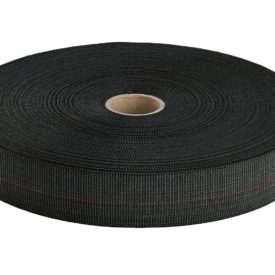
Webbing comes in several forms, including elasticated, rigid and traditional woven options. Each type offers different support characteristics and is chosen based on the style of furniture and the level of firmness required.
What Is Webbing Used For In Upholstery?
Upholstery webbing is used to create the internal support system that sits beneath foam, padding or springs. Its main roles include:
- Forming the base structure of a seat or back
- Providing firm, reliable support for the user
- Distributing weight evenly across the frame
- Improving comfort by creating a stable foundation
- Helping furniture keep its shape throughout regular use
In traditional upholstery, webbing works together with coils or springs. In modern builds, elasticated webbing can replace springs entirely, creating a simpler, more flexible support layer.
Types of Chairs Webbing Is Used For
Upholstery webbing is versatile and suitable for many furniture styles, including:
- Dining chairs with padded seats
- Lounge chairs, armchairs and recliners
- Sofas, settees and modular seating
- Upholstered benches and stools
- Headboards, ottomans and bespoke furniture
- Commercial and hospitality seating
Any furniture piece that relies on an internal support layer beneath its cushioning can make use of webbing.
Use Cases For Upholstery Webbing
Upholstery webbing is used in a wide range of settings where durable internal support is required.
Domestic uses for chair webbing
- Living room seating, including sofas, armchairs and recliners
- Dining chairs and occasional chairs
- Upholstered headboards and footstools
- Home office seating
Webbing for commercial seating
- Waiting room and reception seating
- Meeting and conference room chairs
- Hotel furniture, including lounge and suite seating
- Retail seating and display furniture
Webbing for hospitality and public buildings furniture
- Restaurant booths, benches and banquette seating
- Theatre, auditorium and hall seating
- Community centres and event venues
Webbing for seating DIY and restoration
- Vintage chair repair and reupholstery
- Custom furniture builds
- Replacement of worn or sagging webbing in older pieces
Wherever long lasting support is needed, webbing helps maintain comfort and structural integrity.
Types of chair webbing and their uses
There are several types of upholstery webbing, each designed for specific applications. Choosing the right one ensures the furniture performs as intended.
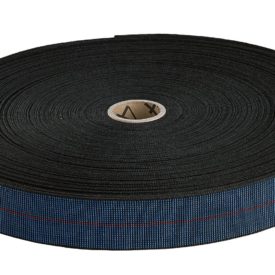
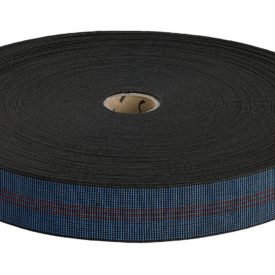
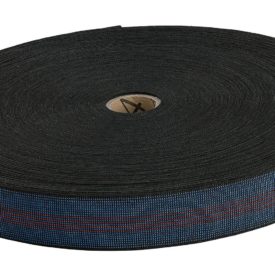
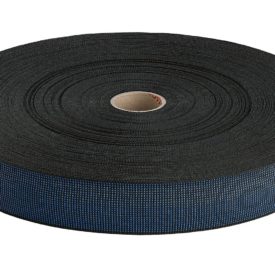
Elasticated seat webbing
Elasticated webbing stretches under load and returns to shape when not in use. It is commonly used in modern upholstered seating where a softer feel is preferred. Higher elasticity webbing is ideal for backs, while lower elasticity versions provide firm support for seats. It is quick to install and works well without springs.
Typical uses: sofas, contemporary chairs, recliners, seat bases, backrests.
Rigid polypropylene chair webbing
This webbing provides firm, non-stretch support. It is durable, moisture resistant and suitable for both indoor and light commercial use. It creates a stable platform where no flex is required.
Typical uses: dining chairs, fixed seat pads, commercial seating, budget upholstery.
Herringbone seat webbing
Black and white herringbone webbing is a traditional woven material used for strong, static support. Its tight weave offers durability and is often chosen for classic upholstery methods.
Typical uses: traditional chairs, armchairs, sofas, restoration work.
Jute upholstery webbing
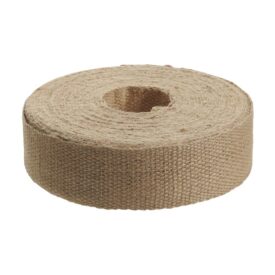
Jute is a natural, heavy duty fibre used in traditional upholstery. It is often paired with coil springs to create a firm, long lasting seat. Jute webbing is valued for its strength and authenticity in restoration projects.
Typical uses: antique furniture, sprung seats, handcrafted upholstery.
Rubber or Pirelli style furniture webbing
Rubber webbing provides heavy duty elasticity and is commonly found in mid-century and modern furniture. It offers strong support with controlled flex and is known for comfort.
Typical uses: mid-century chairs, designer seating, lounge chairs, light commercial furniture.