What Are Furniture Connectors?
Furniture connectors are fixings designed to join two pieces of furniture together or connect panels and frames securely. A furniture panel connector allows separate sections of furniture to be fixed firmly while maintaining alignment and stability.
These connectors are commonly used where traditional screws or permanent fixings are unsuitable, particularly in modular furniture, upholstered seating and furniture that may need to be dismantled or reconfigured.
Types of Furniture Connectors
Interlock Connectors
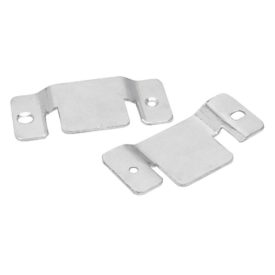
An interlock connector is a two-piece fitting designed to lock furniture sections together securely. Once engaged, the connector prevents lateral movement while allowing the furniture to be separated when required.
Interlock connectors are widely used as sofa connectors, particularly for modular and sectional seating. They are commonly found in:
- Modular and sectional sofa suites
- Corner sofas and chaise configurations
- Upholstered seating in commercial or contract environments
- Furniture frames requiring strong, concealed joining
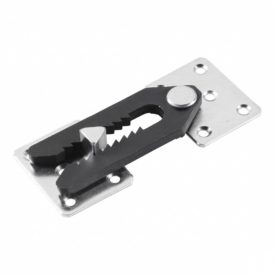
These connectors are also referred to as sectional sofa connector clips and are ideal for keeping multi-part seating securely aligned during use.
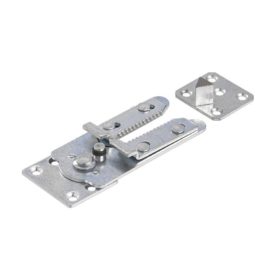
Alligator Connectors
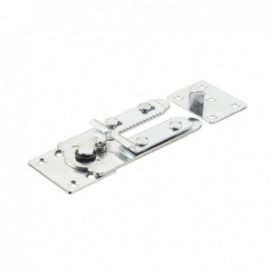
An alligator connector is a universal furniture connector typically used to join panels, rails or frames at corners or angled joints. These connectors are compact and versatile, making them suitable for a wide range of furniture applications.
Alligator connectors are commonly used for:
- Cabinet and cupboard construction
- Shelving units and storage furniture
- Lightweight furniture frames
- General furniture repair and reinforcement
Available in different sizes and materials, alligator connectors provide a practical solution where discreet but secure fixing is required.
Furniture Hinges
Furniture hinges allow doors, lids and panels to open and close smoothly while maintaining alignment with the surrounding frame. The correct hinge selection is essential for both function and appearance.
Our range includes practical and decorative furniture hinges suitable for a variety of furniture styles and uses.
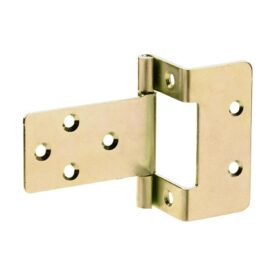
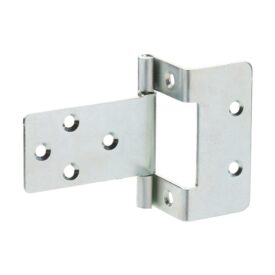
Cranked Hinges
Cranked hinges are a popular type of furniture hinge designed with an offset bend that allows doors or panels to sit flush within a frame while still opening freely. A cranked hinge is commonly used where clearance is required between the door and the furniture carcass.
These hinges are typically used on:
- Cabinet and cupboard doors
- Wardrobes and storage units
- Furniture with inset or rebated doors
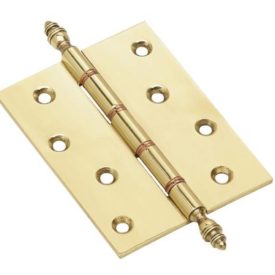
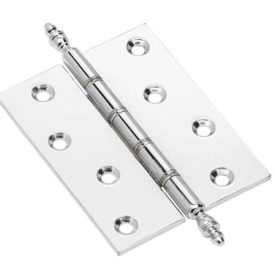
Finial Hinges
Finial hinges are decorative, exposed hinges often used where the hinge forms part of the furniture’s appearance. They are commonly found on traditional or decorative furniture pieces.
Common Uses for Furniture Connectors & Hinges
Furniture connectors and hinges are used across a wide range of furniture types and applications, including:
- Modular and sectional sofas
- Cabinets, cupboards and wardrobes
- Shelving units and storage furniture
- Upholstered seating and furniture frames
- Decorative and traditional furniture pieces
They are suitable for both new furniture manufacture and repair or refurbishment projects.
Who Uses Furniture Connectors & Hinges?
These components are used by a wide range of customers, including:
- Upholsterers and furniture manufacturers
- Furniture repair and restoration specialists
- Joiners and tradespeople
- Commercial furniture installers
- DIY users assembling or repairing furniture
Whether connecting sofa sections, joining furniture panels or fitting replacement hinges, these products provide reliable solutions for furniture construction and maintenance.
Choosing the Right Furniture Connector or Hinge
Selecting the correct furniture connector or hinge depends on the furniture type, load requirements and whether the fixing needs to remain concealed or accessible. Interlock connectors are ideal for joining sofa sections securely, while alligator connectors suit panel and frame connections. Hinge selection will depend on door style, clearance requirements and desired appearance.
If you are unsure which connector or hinge is most suitable for your application, our team can help you choose the right solution.
Why Buy Furniture Connectors & Hinges from HEICO Direct?
HEICO Direct supplies durable furniture connectors and hinges suitable for professional upholstery, furniture manufacture and repair work. Our products are designed for reliable performance and are available in practical pack sizes for both trade and DIY use.
Whether you are sourcing connectors for furniture, replacing worn sofa connectors or fitting new furniture hinges, we make it easy to find the right components for your project.
Furniture Connectors & Hinges FAQs
Can interlock connectors be fitted to existing sofas?
Yes, interlock connectors can be retrofitted to existing sofa sections, provided there is sufficient frame access and solid timber to fix into. They are commonly used to repair or upgrade modular and sectional sofa suites.
Can interlock connectors be fitted to existing sofas?
Yes, interlock connectors can be retrofitted to existing sofa sections, provided there is sufficient frame access and solid timber to fix into. They are commonly used to repair or upgrade modular and sectional sofa suites.
Do sectional sofa connector clips stop sofas from moving apart?
When fitted correctly, sectional sofa connector clips help prevent sofa sections from separating during use. However, they are designed to hold alignment rather than permanently fix sections together, allowing furniture to be repositioned if needed.
What fixings should be used to install furniture connectors?
Most furniture connectors are installed using wood screws suitable for the timber frame or panel being fixed into. Using the correct screw length and diameter helps ensure a secure and long-lasting connection.
Can decorative finial hinges support heavy doors?
Finial hinges can support furniture doors when correctly sized and installed, but heavier doors may require additional hinges or a more robust hinge design to ensure smooth operation over time.
How do I know which hinge offset I need?
The required hinge offset depends on how the door sits within the furniture frame. Cranked hinges are used where clearance is needed for the door to open past the frame, while straight hinges are used where no offset is required.